
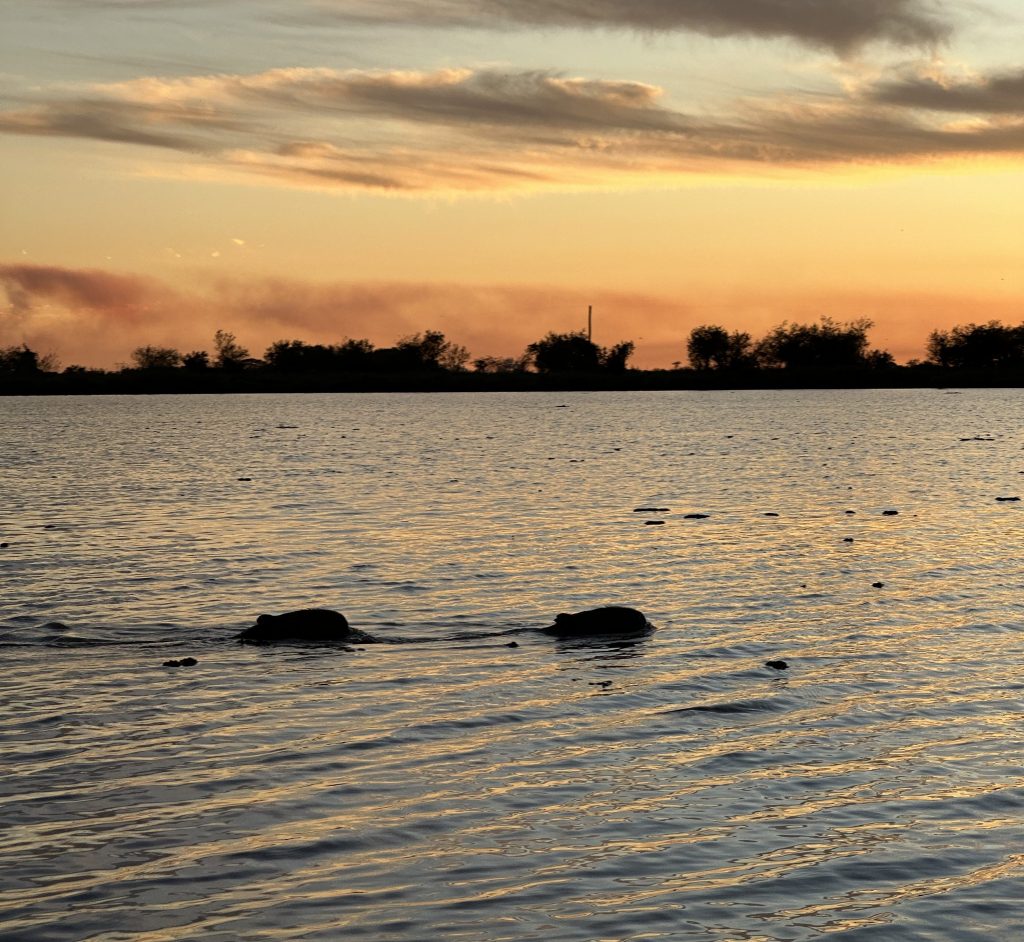
Hello fellow travelers! If you love capybaras and enjoy exploring off the beaten path, this one’s for you!
Have you ever heard of the Ibéra Wetlands, more specifically, Esteros del Ibéra? If your answer is no, don’t worry, I hadn’t either before this trip.
But let me tell you, looking back at all the adventures from our three-month journey through South America, this place is right at the top of the list. And that says a lot, considering it’s competing with iconic destinations like the Galápagos Islands in Ecuador or hiking in Patagonia.
What makes the Ibéra Wetlands so special is not just the incredible wildlife and untouched nature, but also how off the beaten path it still feels. It’s one of those places that truly surprised us—and quickly became one of the most memorable experiences of the whole trip. Let me tell you more about it.
- 1. What are the Ibéra Wetlands?
- 2. When is the best time to visit Ibéra Wetlands?
- 3. How do I reach Ibéra Wetlands?
- 4. How many Days should you spend there?
- 5. Our accommodation in Ibéra Wetlands
- 6. Which animals did we spot?
1. What are the Ibéra Wetlands?
Esteros del Ibéra is one of the largest wetlands in South America, and the second largest after the Pantanal in Brazil, located in northeastern Argentina. It’s a vast, wild paradise of rivers, lagoons, marshes, and flooded grasslands, home to an incredible variety of wildlife. From capybaras and caimans to hundreds of bird species. Perfect for nature lovers looking to explore a truly off-the-beaten-path destination.
2. When is the best time to visit Ibéra Wetlands?
The great thing about Esteros del Ibéra is that you can visit all year round. Each season offers something unique: lush green landscapes and abundant wildlife during the wet season (October to March) or easier access to trails and waterways in the dry season (April to September). We went in December and spent Christmas there and the climate was hot but still fine and the wildlife we spotted was amazing – stay tuned.
3. How do I reach Ibéra Wetlands?
Well, this is probably the most complicated part of the trip. The wetlands are not the easiest or fastest place to reach, but that’s also part of what makes them so special. There are a few different routes you can take:
From Buenos Aires:
Most travelers visit the wetlands as part of a trip through Argentina starting in Buenos Aires. From there, you can take an overnight bus to the small city of Mercedes. From Mercedes, you’ll need to arrange a private transfer with your accommodation, which takes around 2 more hours to reach the wetlands.
From Iguazú:
If you’re coming from the famous Iguazú Falls in the north of Argentina and continuing your journey south, you can take a bus to the city of Posadas. The city was actually nicer than we expected and worth a short stop for a day. From Posadas, you can organize a private transfer through your accommodation in the wetlands, which takes around 3 hours. We asked our accommodation in advance if other guests were arriving the same day so we could share the transfer and it worked 🙂
From Paraguay:
If you’re traveling from Paraguay (like we did), you can take a bus from Asunción to Posadas, spend a night there, and then continue with a private transfer the next day to the wetlands—just like when coming from Iguazú.
4. How many Days should you spend there?
Since it’s quite a journey to get there, I would recommend staying at least 3 nights to fully immerse yourself in the nature and make the most of your time. That way, you’ll have enough time to enjoy different activities, spot wildlife, and truly experience the peaceful atmosphere of the wetlands.
5. Our accommodation in Ibéra Wetlands
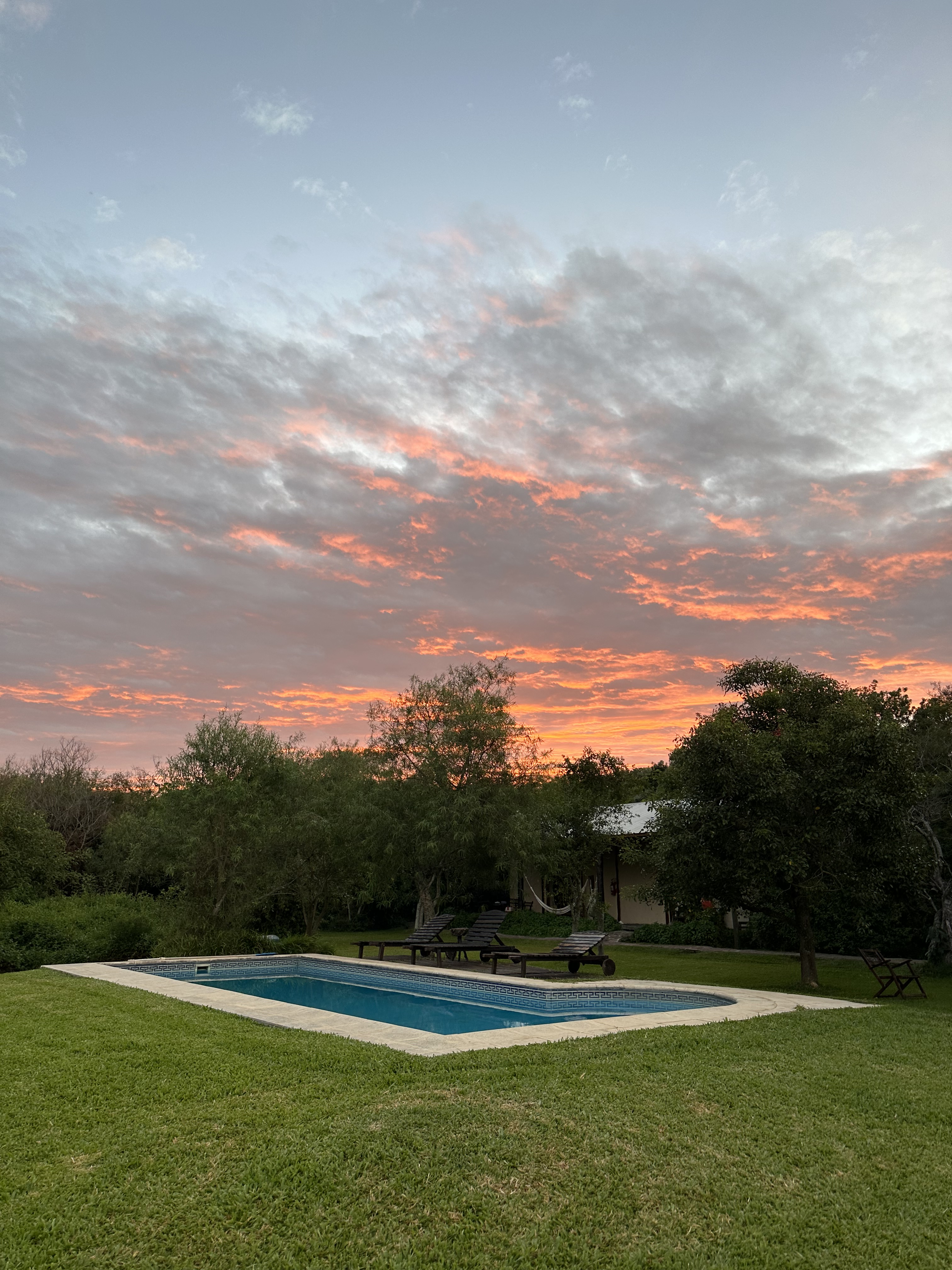
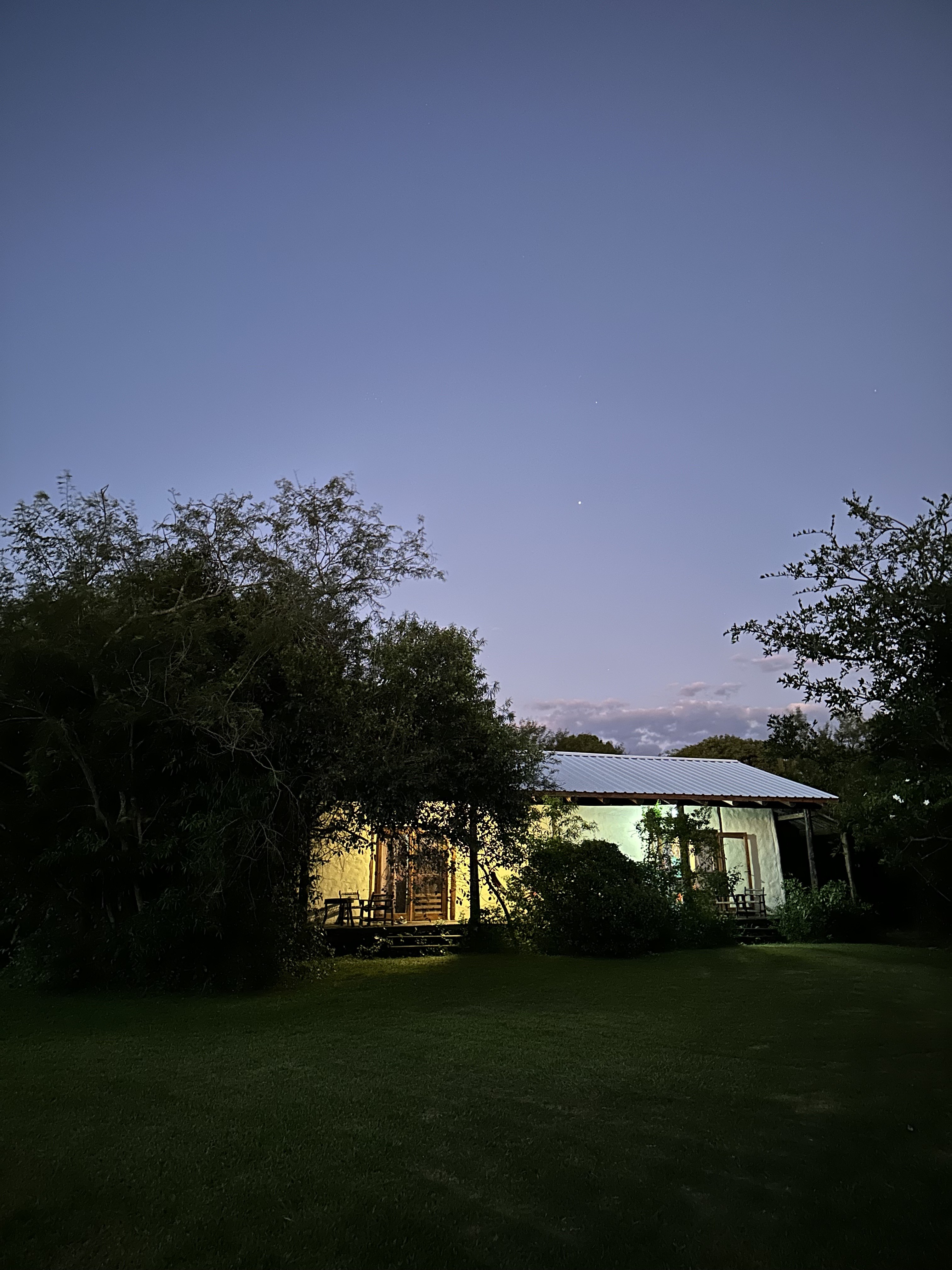
We stayed at Ecoposada del Estero Ecolodge, located right by the Laguna Iberá in Colonia Carlos Pellegrini, in the heart of the Iberá Wetlands.
What makes Ecoposada del Estero so special is its strong focus on sustainability. The lodge was built following principles of ecological architecture, using local materials and resources while respecting the surrounding environment. You can really feel that everything blends perfectly into the landscape.
At the same time, the lodge is very comfortable and bright, offering a perfect balance between nature and relaxation. They also organize a wide range of excursions through Iberá Expediciones, making it easy to explore the wetlands and spot wildlife.
For them, ecotourism is not just about flora and fauna, but also about people. creating meaningful connections and cultural exchange rather than just a quick visit. And that’s exactly how it felt during our stay.
6. Which animals did we spot?
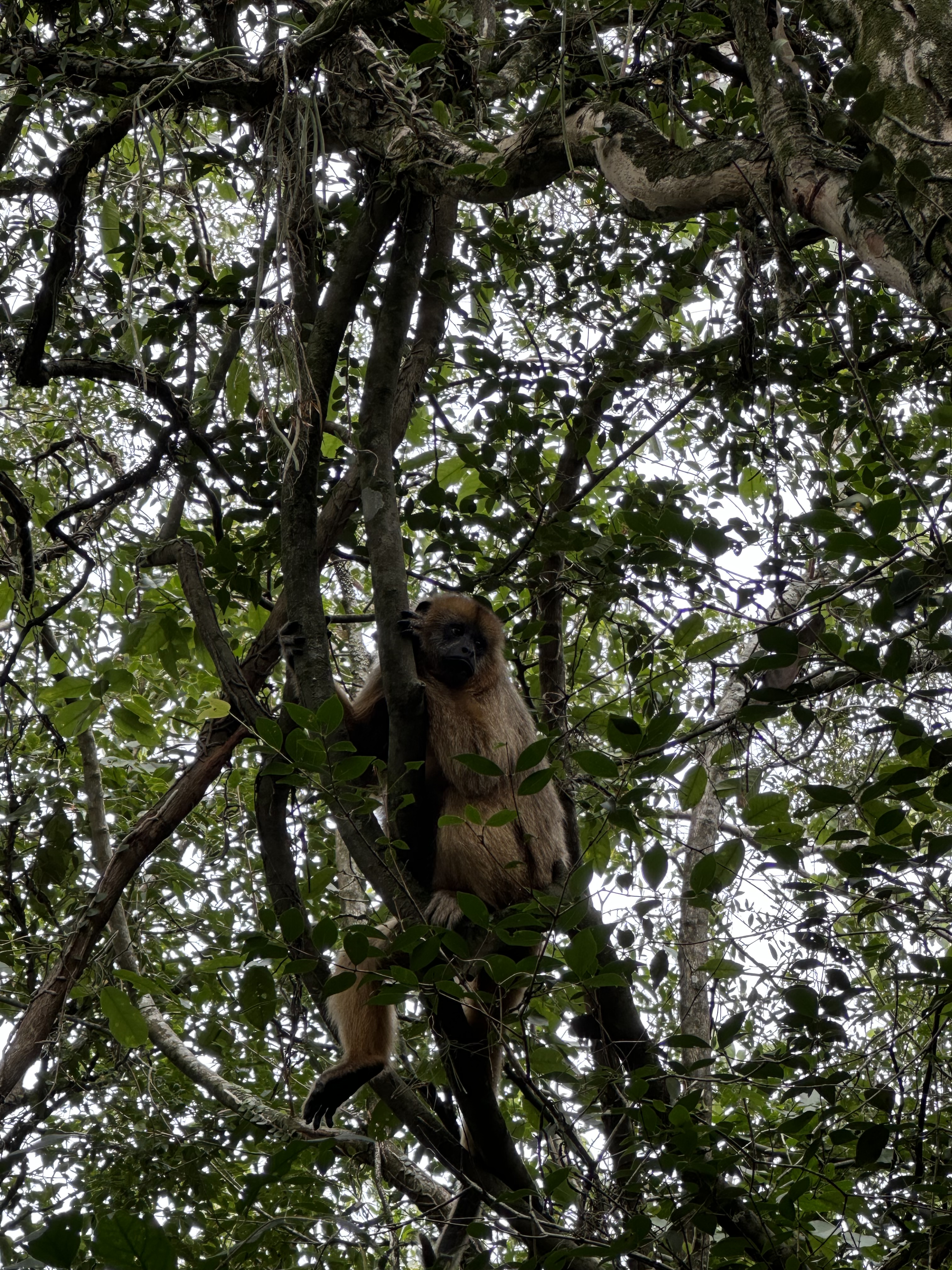
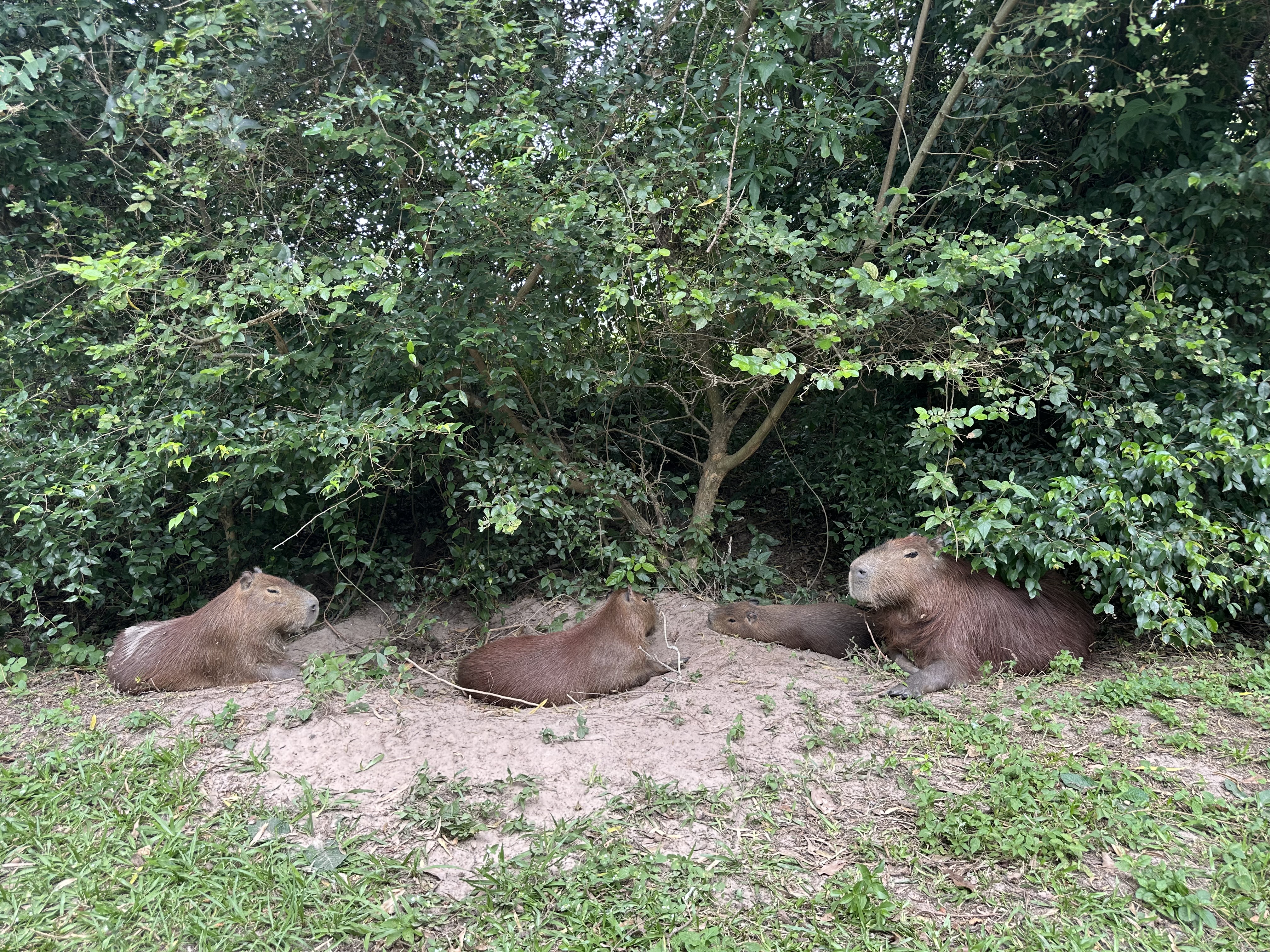
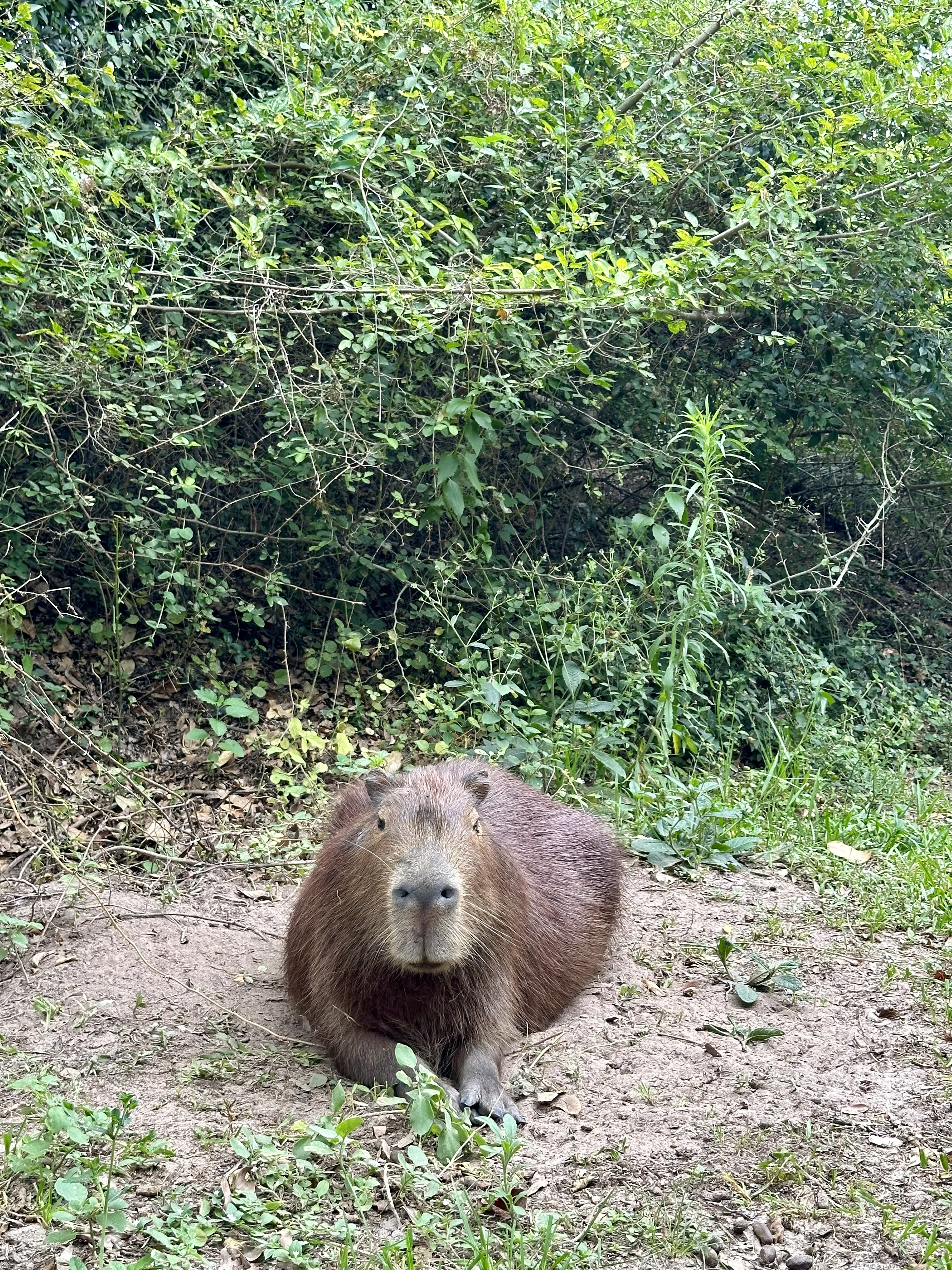
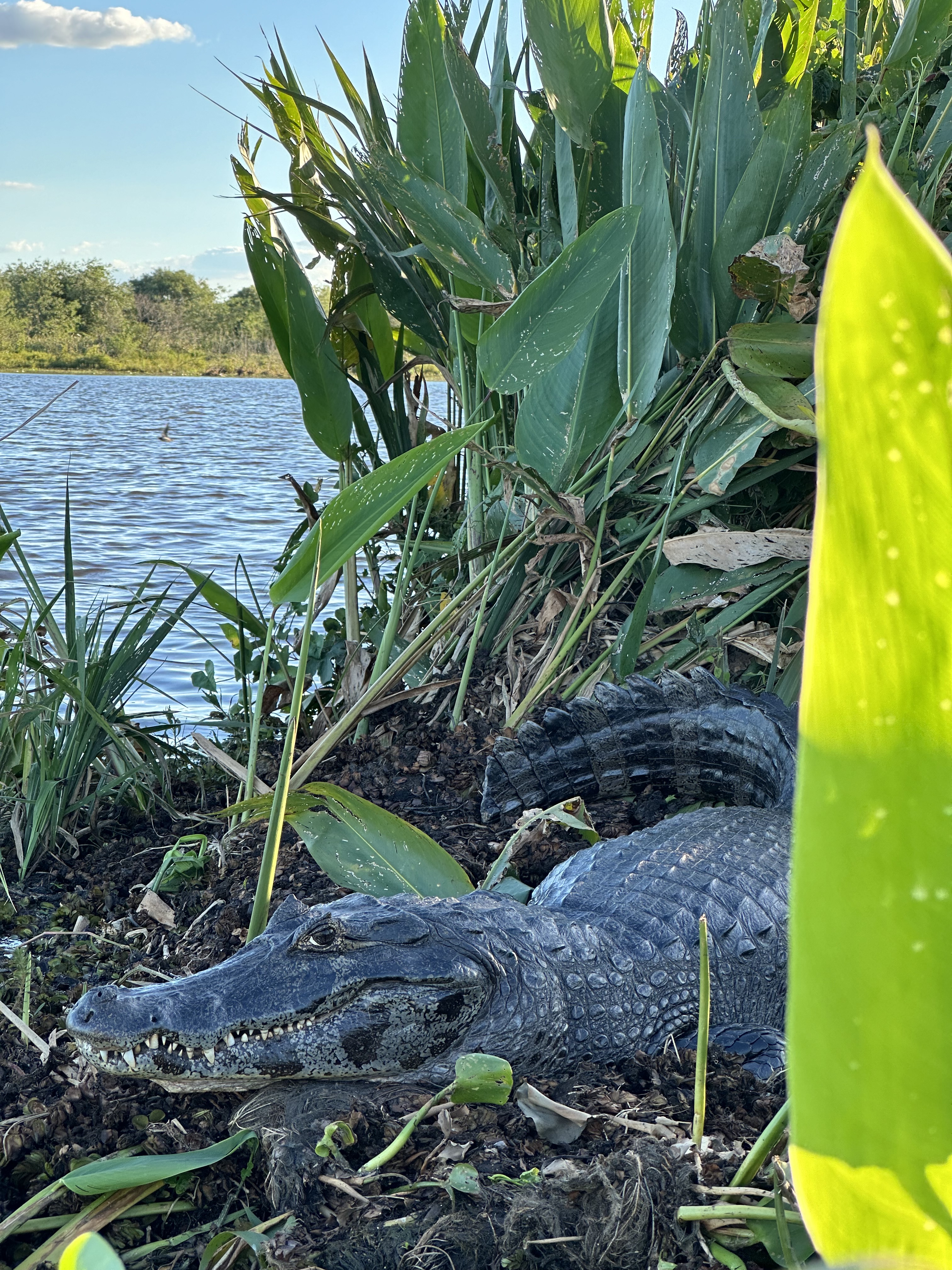
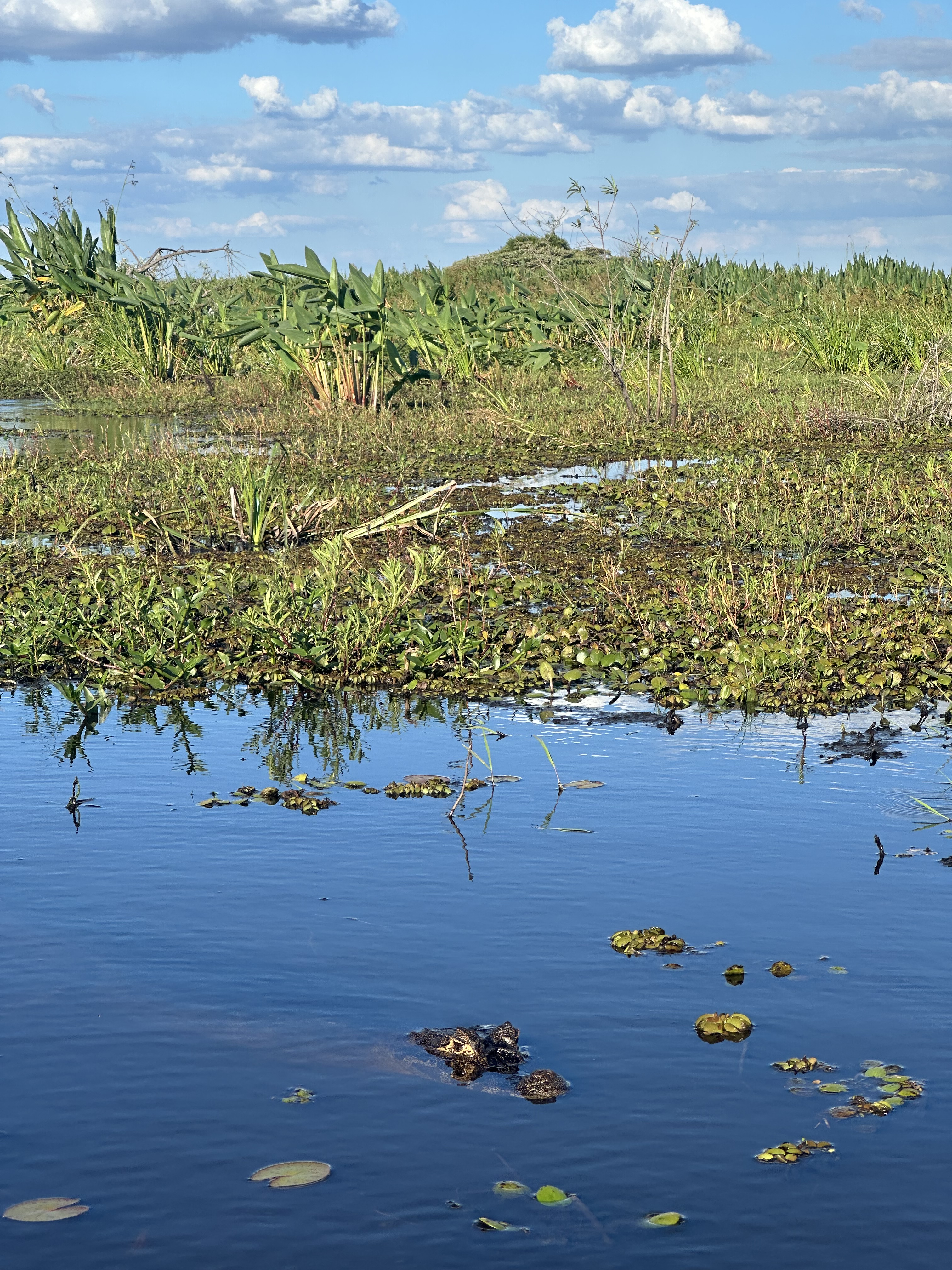
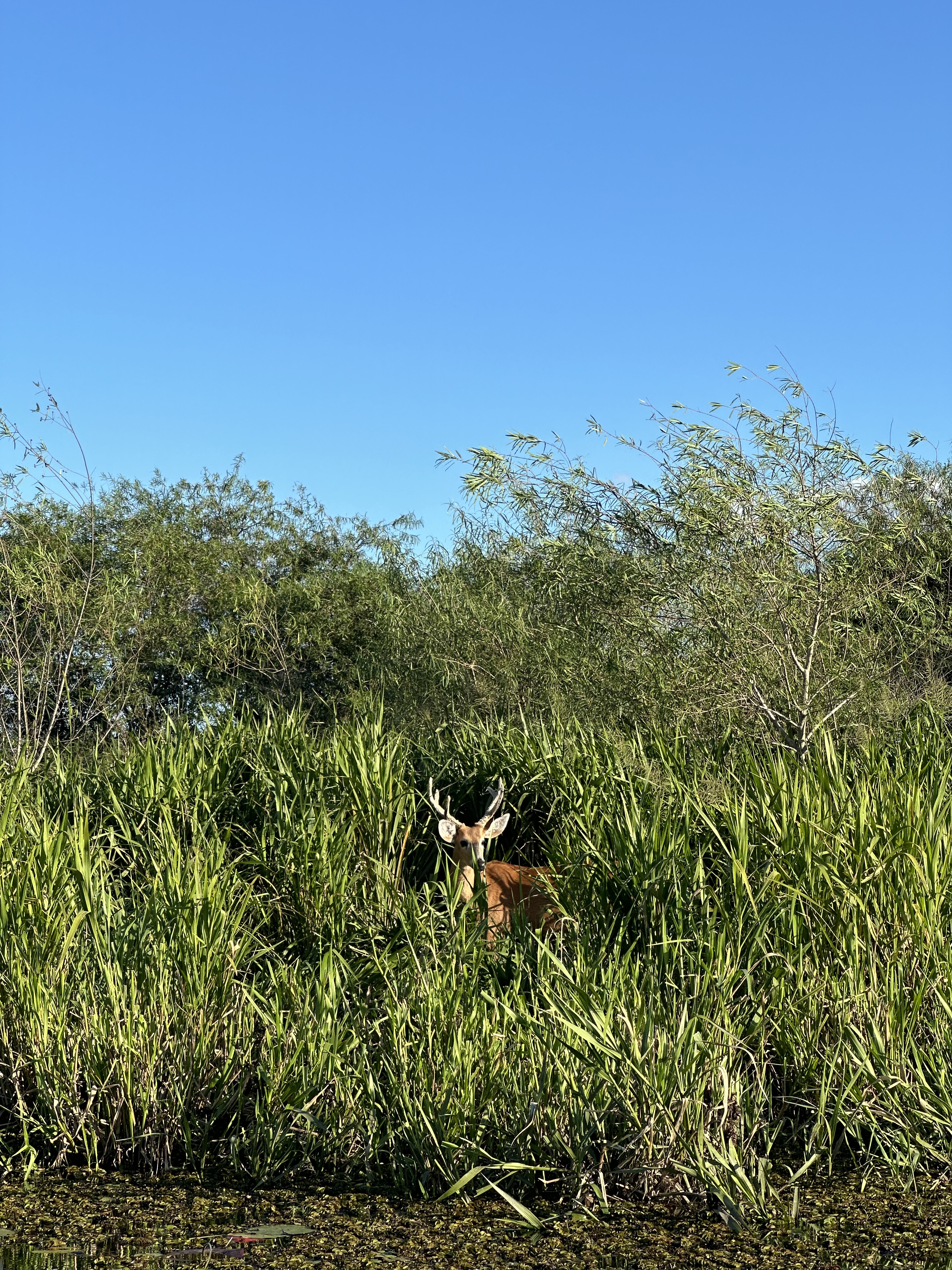
We saw an incredible variety of wildlife during our stay. There were lots and lots of capybaras (definitely the stars of the wetlands), as well as crocodiles, monkeys, water deer, and countless bird species.
Honestly, it felt like being in a real-life nature documentary, everywhere you looked, there was something new to discover.





 evexplores
Hinterlasse einen Kommentar