
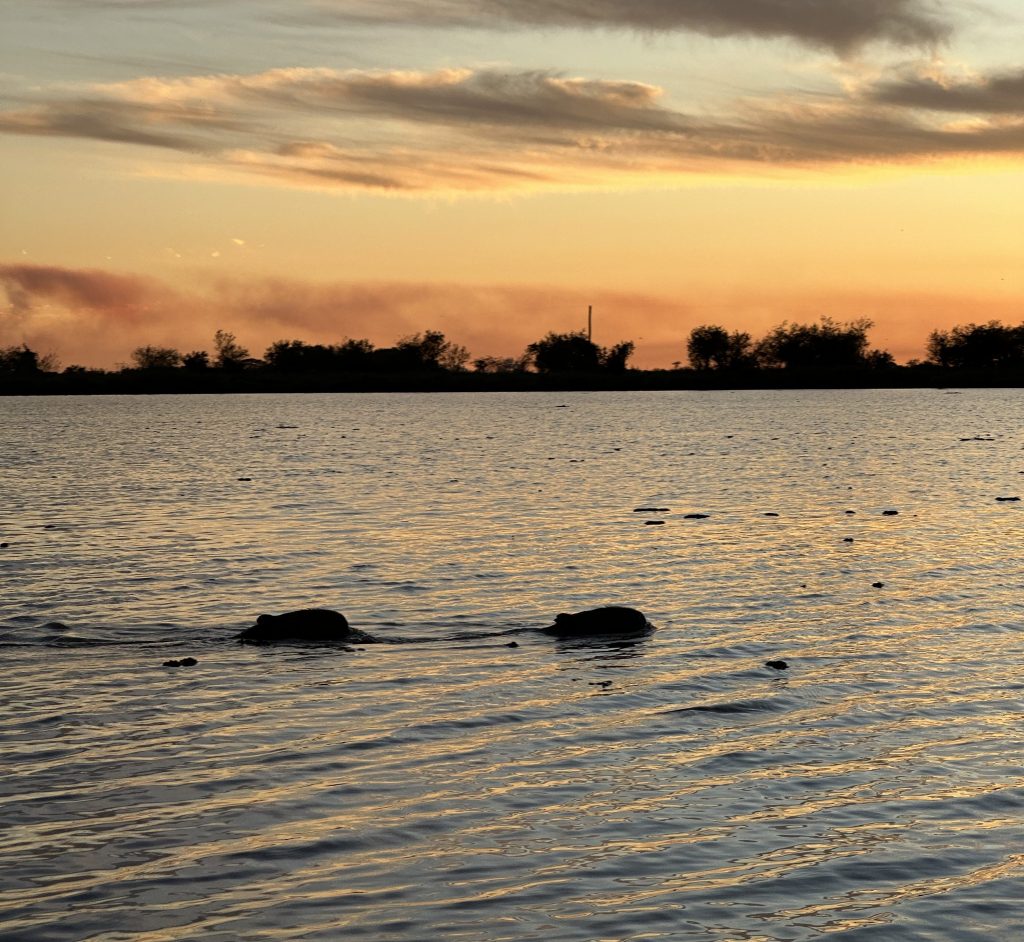
Hello fellow travelers! If you love capybaras and enjoy exploring off-the-beaten-path, this one’s for you!
Have you ever heard of the Ibéra Wetlands, (Spanish: Esteros del Ibéra)? If your answer is no, don’t worry, I hadn’t either before this trip. But let me tell you, looking back at all the adventures from our three-month journey through South America, this place is right at the top of the list. And that says a lot, considering it’s competing with iconic destinations like the Galápagos Islands in Ecuador or hiking in Patagonia.
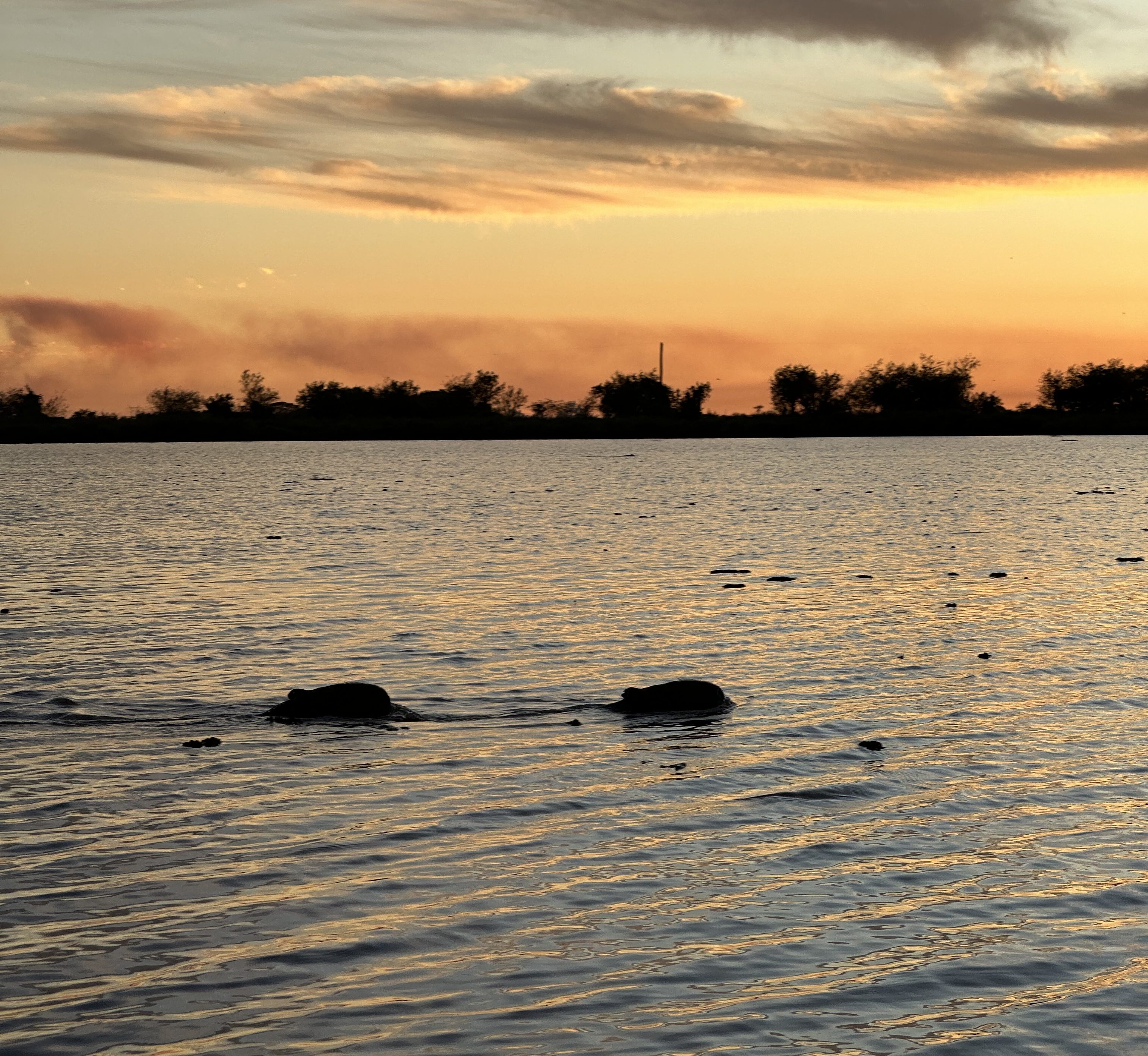
Esteros del Iberá is one of the largest wetland ecosystems in the world, and still surprisingly under-visited. Think capybaras crossing lagoons, caimans sunbathing, and endless birdlife in a completely wild landscape.
If you’re looking for an off-the-beaten-path destination in South America filled with wildlife, silence, and untouched nature, the Esteros del Iberá Wetlands in Argentina should be at the very top of your list.
Whether you’re planning your Argentina itinerary or looking for hidden nature destinations in South America, this is your complete travel guide to the Iberá Wetlands.
- 1. What are the Ibéra Wetlands?
- 2. Best time to visit the Iberá Wetlands
- 3. How to get to the Iberá Wetlands
- 4. How many days should you spend in the Iberá Wetlands?
- 5. Where to stay in the Iberá Wetlands
- 6. Wildlife in the Iberá Wetlands
- 7. Is the journey worth it?
1. What are the Ibéra Wetlands?
The Esteros del Iberá are a vast protected wetland system located in northeastern Argentina. They form one of the largest wetlands in the world, second only to the Pantanal in Brazil. Esteros del Iberá is a mosaic of lagoons, marshes, floating islands, and flooded grasslands. The ecosystem is part of a major conservation area that protects hundreds of species.
Here you can find:
- Capybaras (everywhere!)
- Caimans
- Monkeys
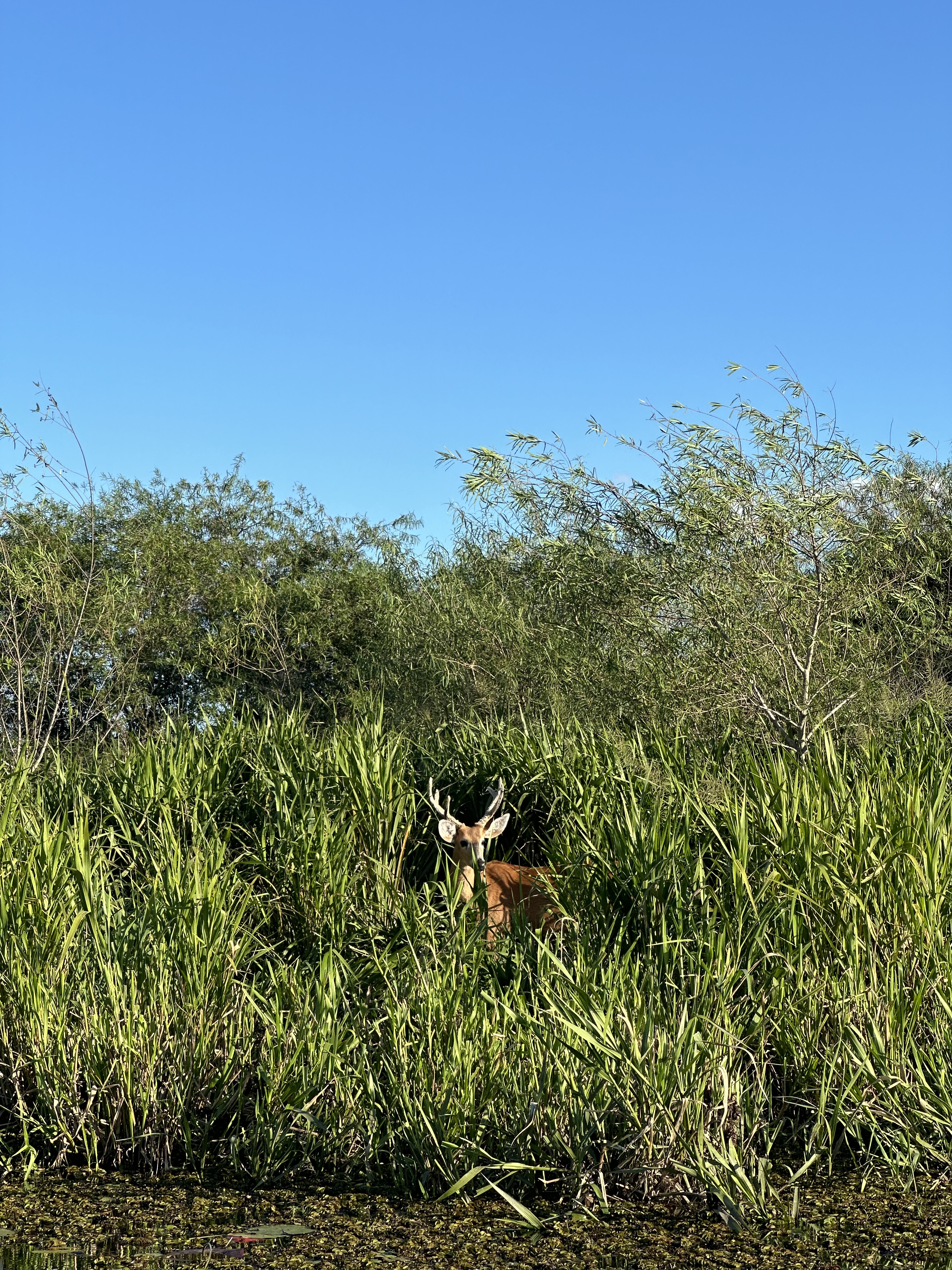
- Marsh deer
- Over 350 bird species
It’s one of the best destinations in Argentina for wildlife lovers and eco-tourism. If you visit the Wetlands it is advised to stay in Colonia Carlos Pellegrini, a small town acting as the main gateway to the Esteros del Ibéra. This village offers boat tours, wildlife spotting and night safaris in the protected nature reserve.
2. Best time to visit the Iberá Wetlands
The great thing about the Iberá Wetlands is that they are a year-round destination. Each season offers something unique: lush green landscapes and abundant wildlife during the wet season (October to March) or easier access to trails and waterways in the dry season (April to September).
We visited in December over Christmas and experienced hot weather – but incredible wildlife sightings made it absolutely worth it.
3. How to get to the Iberá Wetlands
Reaching the Iberá Wetlands is part of the adventure. It’s remote – but that’s exactly what keeps it so special. There are a few different routes you can take:
From Buenos Aires:
- Take an overnight bus to Mercedes
- From there, continue ~2 hours by private transfer arranged by your lodge
- There’s also a bus from Mercedes to Colonia Carlos Pellegrini but only running twice a week.
Coming from Iguazú Falls:
- Take a bus to Posadas (around 6-7 hours)
- Overnight stay in Posadas. The city was actually nicer than we expected and worth a short stop for a day
- From there, continue ~3 hours by private transfer arranged by your lodge
From Paraguay:
If you’re coming from Paraguay like we did it is a bit more complicated but still manageable as it includes one border crossing as well. This is how it went:
- Take a bus from Asunción to Encarnación, Paraguay. (5-6 hours)
- Take a public bus from Encarnación to Posadas (Boarder crossing)
If you’re arriving after 8 PM—as was the case for us—the public bus is no longer running. Because of that, it can be quite a hassle to find a taxi to take you across the border. My tip: always ask the locals. We were lucky to meet some of the kindest people in Paraguay who helped us to find a taxi driver that was willing to cross the boarder.
- Once you’re in Posadas you can spend the night there and continue to the wetlands the next day by private transfer
Pro tip: Ask your accommodation in advance to match transfers with other travelers to split costs.
4. How many days should you spend in the Iberá Wetlands?
Because the Iberá Wetlands are relatively remote and require significant travel time to reach, it is highly recommended to stay for at least three nights.
This allows enough time to fully experience the region, participate in wildlife excursions, and truly disconnect from urban life. A shorter stay often feels rushed and does not do justice to the scale and tranquility of the wetlands.
Spending multiple days also increases your chances of seeing a wider variety of wildlife, as animal activity changes throughout the day and across different habitats.
5. Where to stay in the Iberá Wetlands
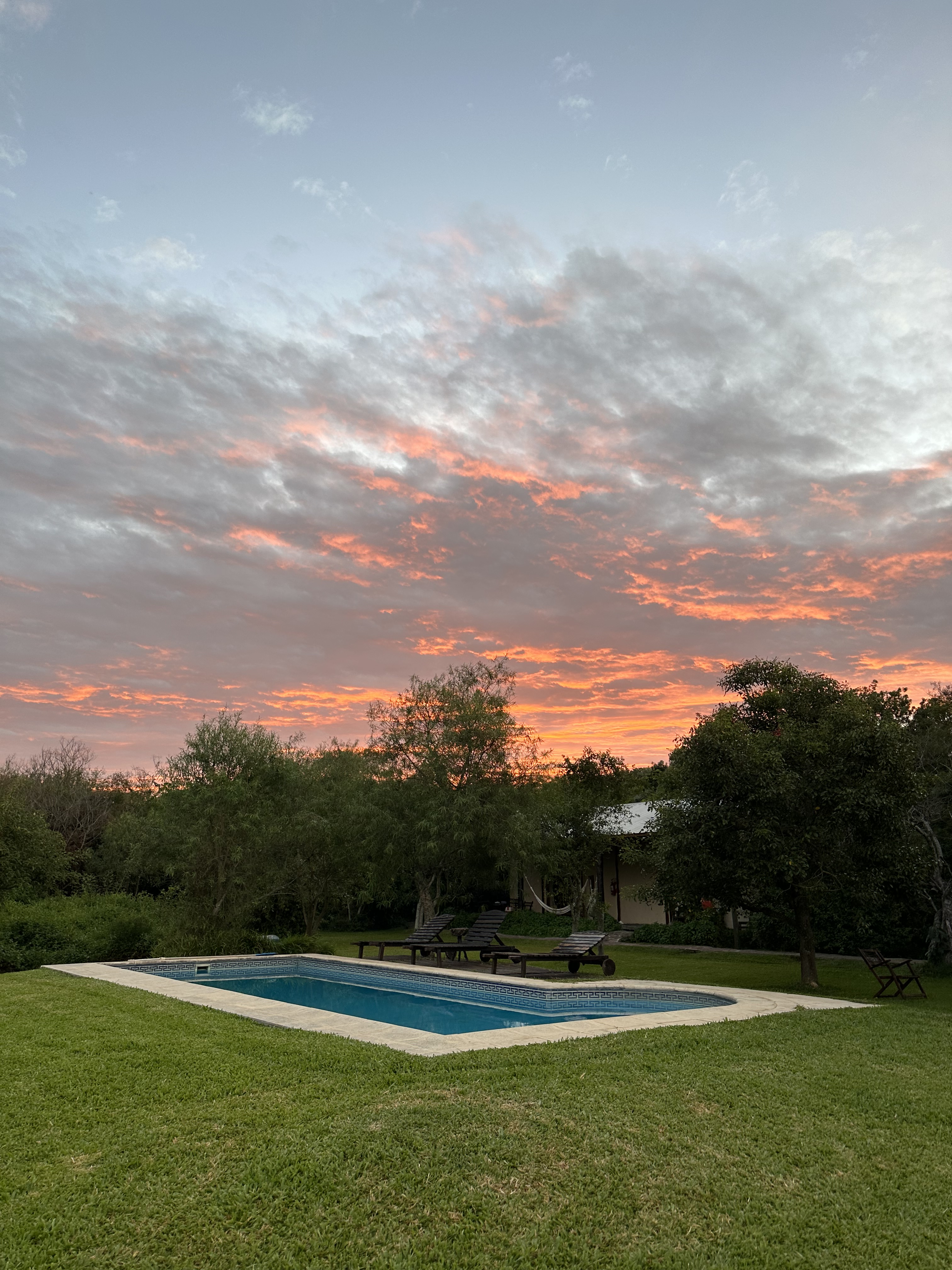
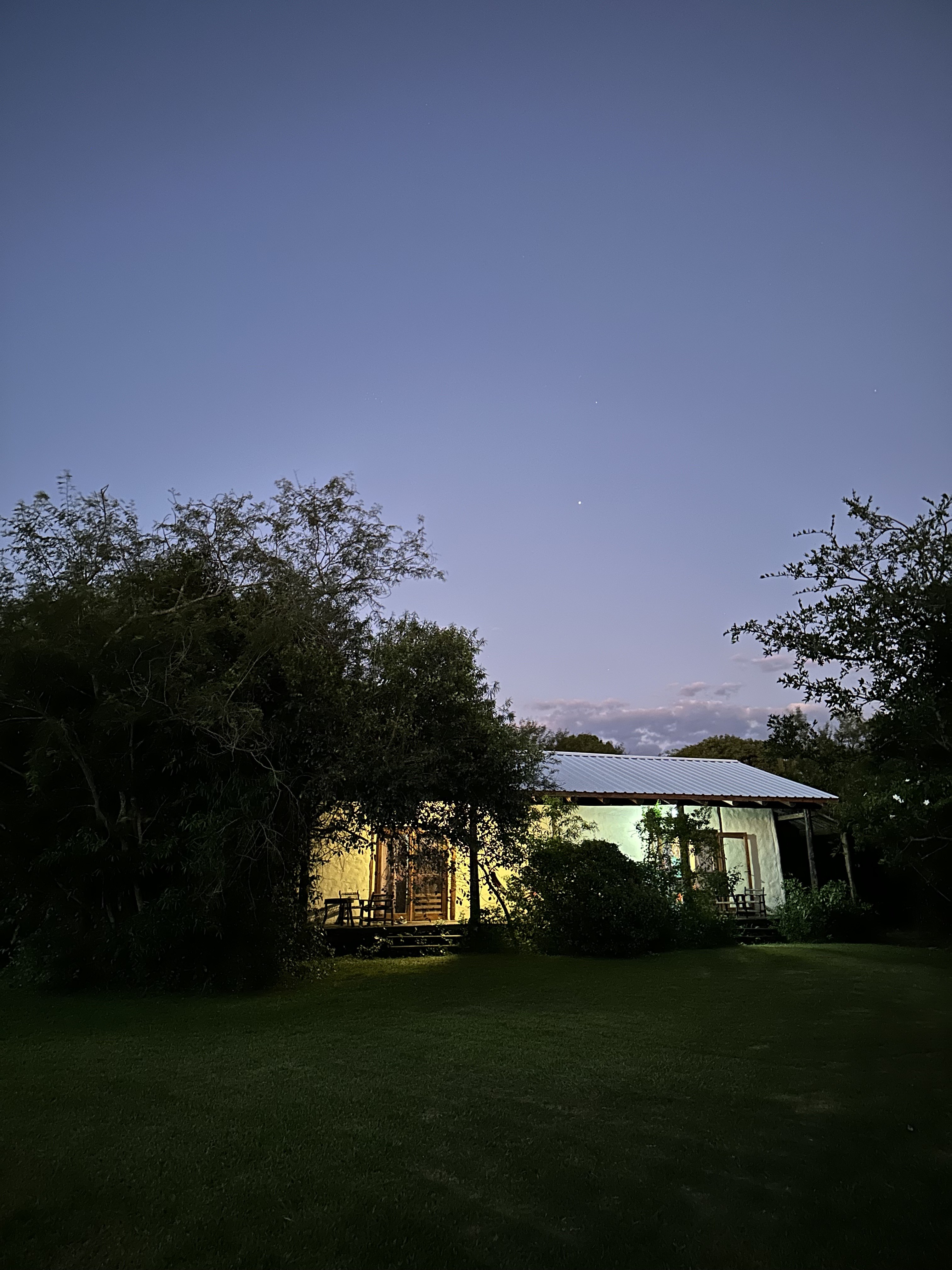
We stayed at Ecoposada del Estero Ecolodge, located in Colonia Carlos Pellegrini, one of the main gateways to the Iberá Wetlands.
The lodge is situated close to Laguna Iberá and blends naturally into the surrounding environment. It is built with a strong focus on sustainability, using local materials and eco-friendly architectural principles.
What makes this accommodation special is not only its comfort but also its philosophy. The entire concept is centered around ecotourism, conservation, and connection with nature. The lodge works closely with local guides and organizations to offer wildlife excursions through Iberá Expediciones.
The experience is designed not just around observing nature, but also understanding the cultural and environmental importance of the region. It felt like a meaningful exchange between travelers, locals, and the natural environment rather than a standard tourist stay.
6. Wildlife in the Iberá Wetlands
The Iberá Wetlands are one of the best places in Argentina for wildlife observation. The diversity and abundance of animals make every excursion feel like a nature documentary.
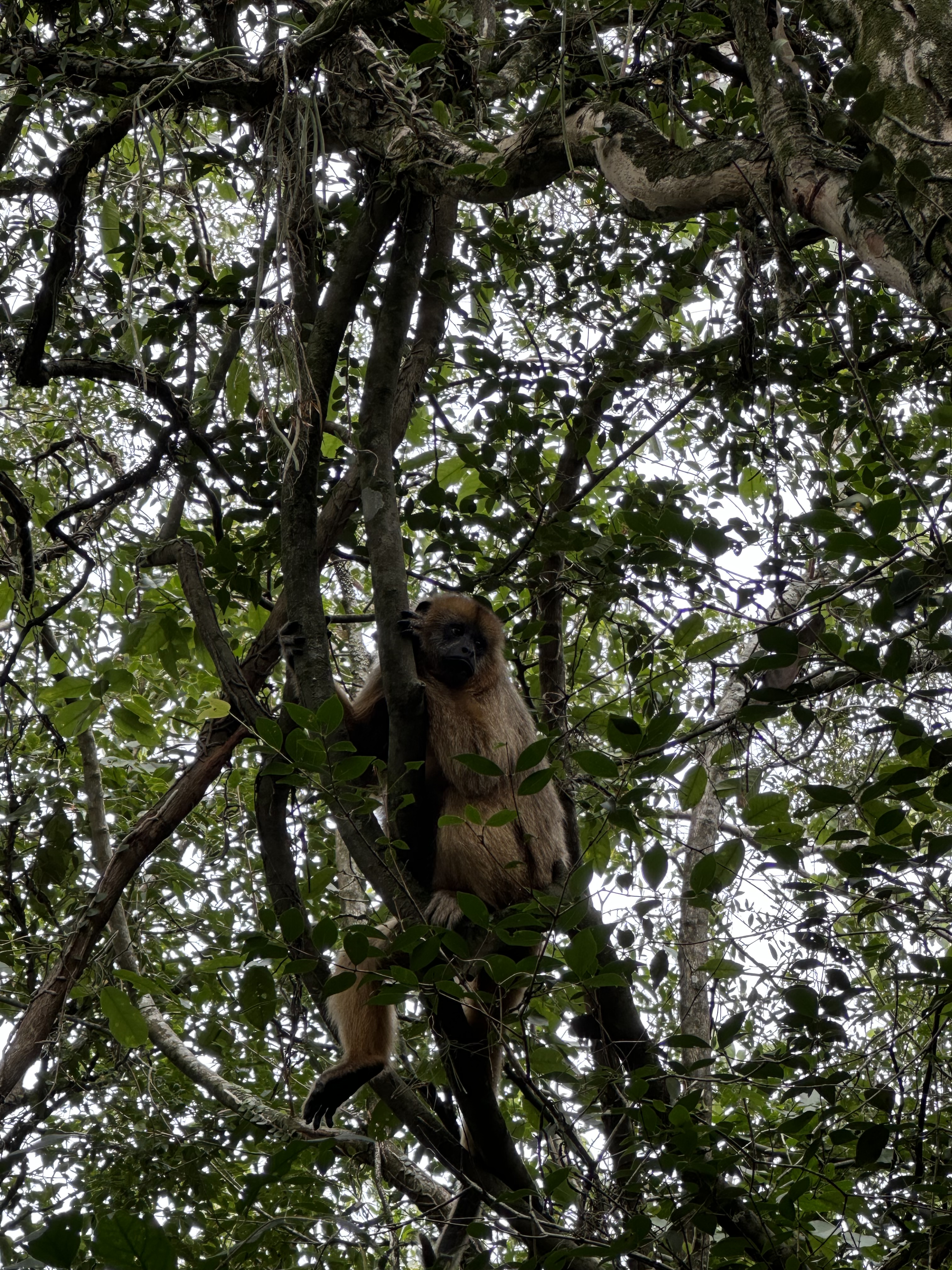
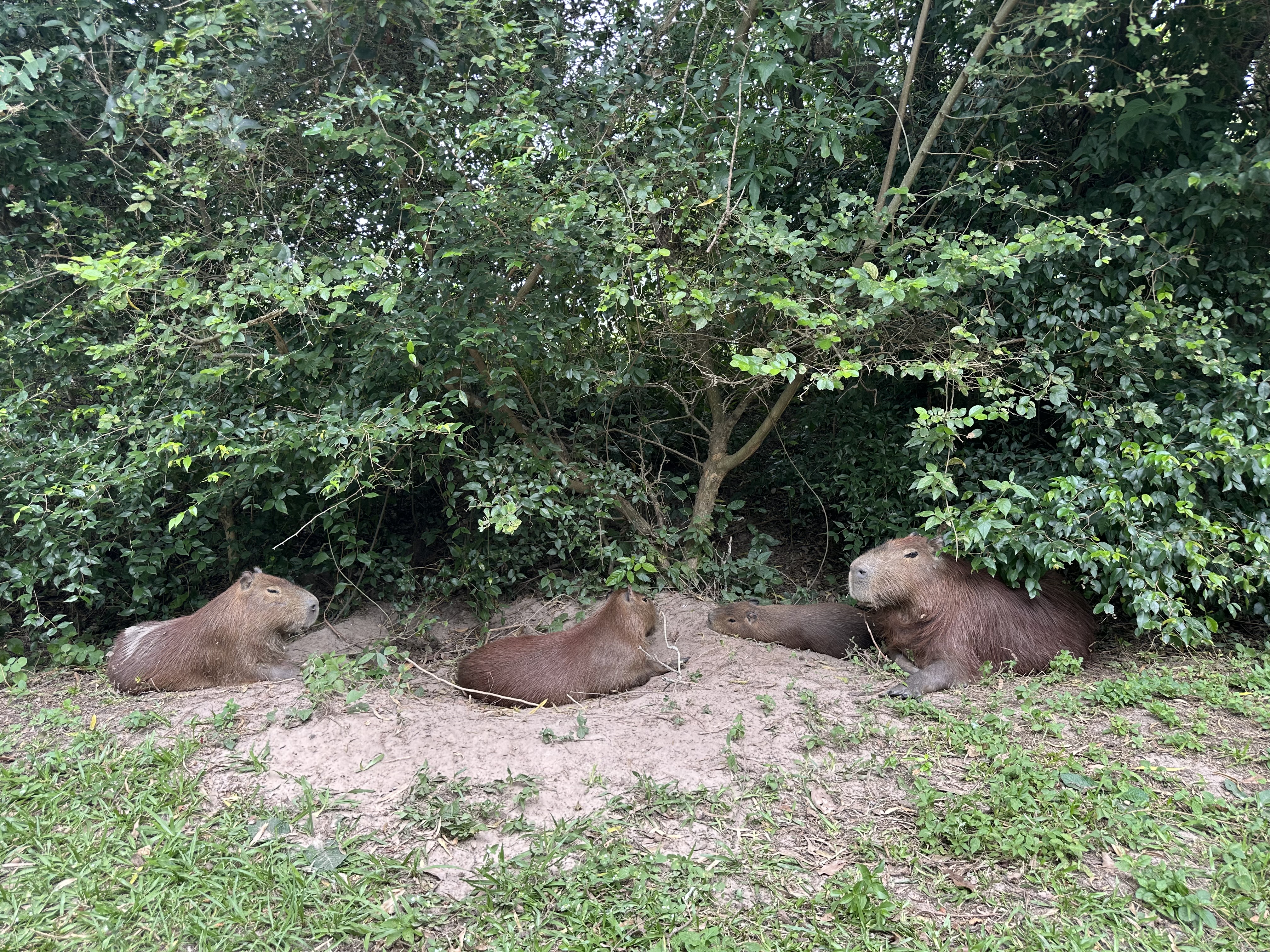
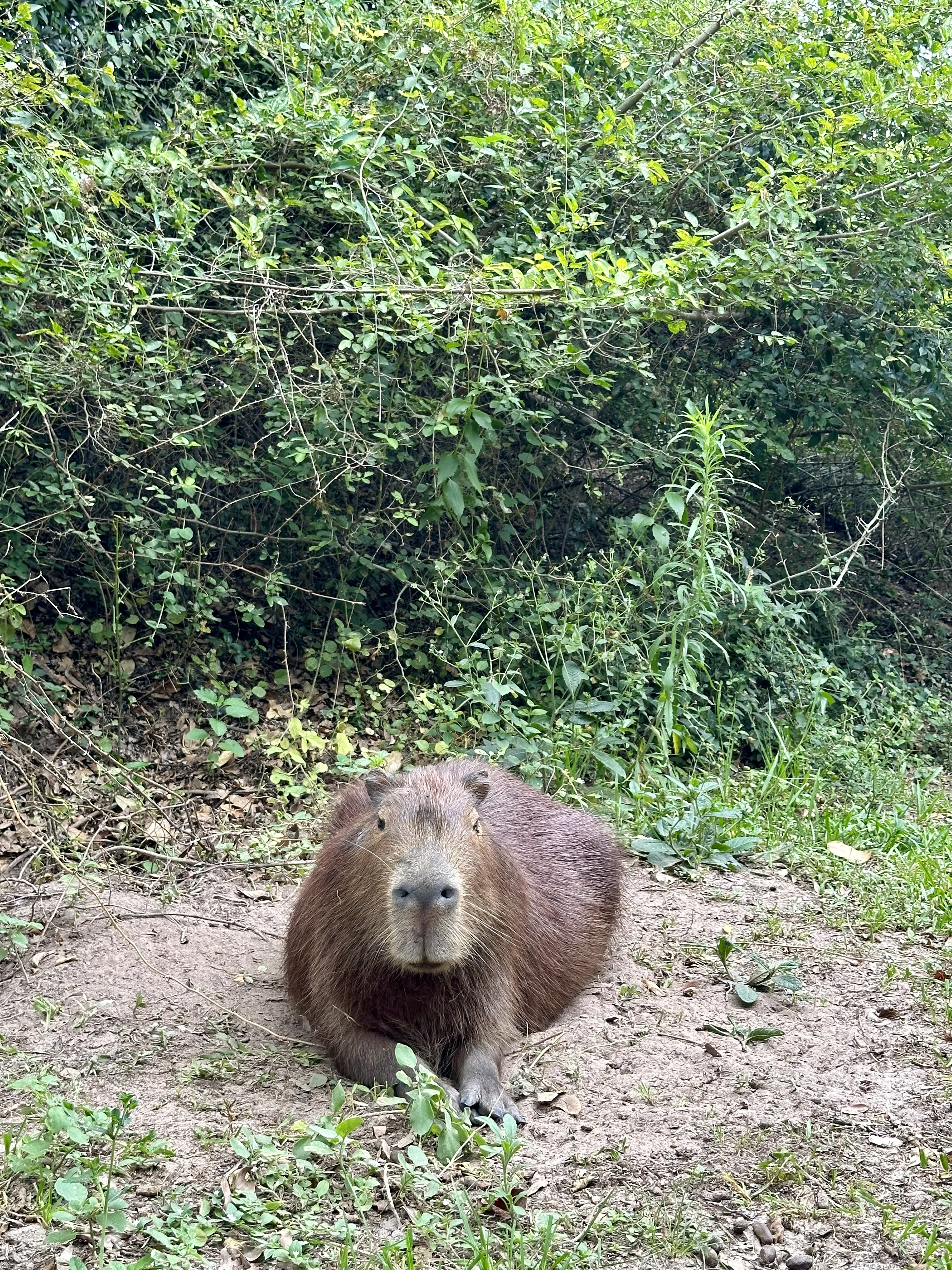
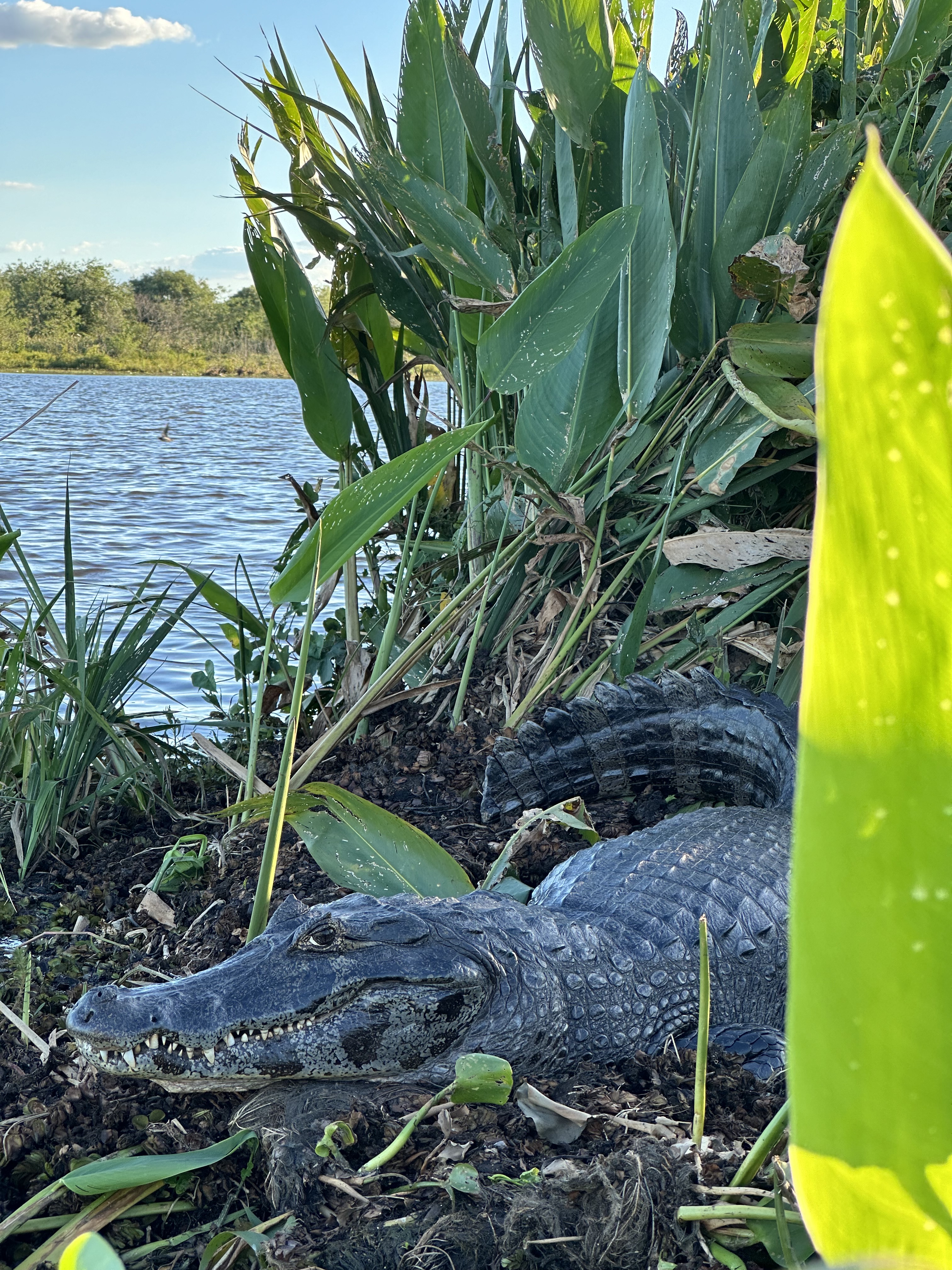
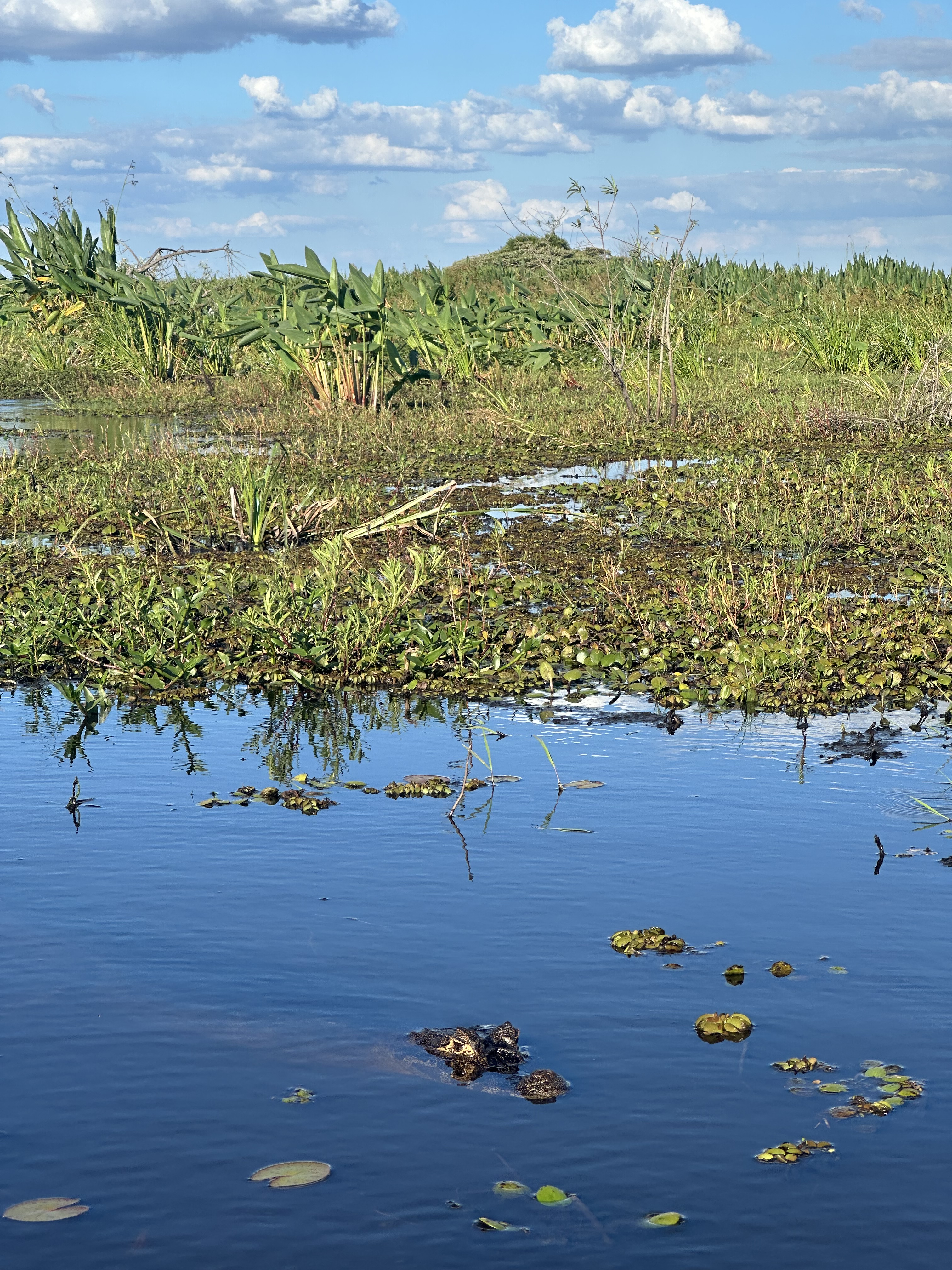
During our stay, we encountered an incredible number of capybaras, which are the most iconic animals of the wetlands. In addition, we saw caimans resting along the water, marsh deer moving through the grasslands, monkeys in the forested areas, and a huge variety of bird species.
What makes Iberá so special is that wildlife is not hidden or rare—you encounter animals constantly, often just meters away from you. The ecosystem feels alive at every moment of the day.
7. Is the journey worth it?
Yes, yes and yes 🙂
The Iberá Wetlands were one of the most surprising and memorable destinations of our entire South America trip. Despite being less known than places like Patagonia or Iguazú Falls, the experience felt even more immersive and unique.
If you are traveling through Argentina and looking for a destination that offers raw nature, incredible wildlife, and true off-the-grid adventure, the Iberá Wetlands should absolutely be part of your itinerary.
It is a place where time slows down, nature takes over, and every moment feels authentic.








Kommentar verfassen